

Wall switches are core components for home decoration circuit control. The mainstream type is the 86-type universal panel, and their basic functions are divided into three major categories: single control, dual control, and multi-control. Single-control switches can only control one lamp at one position, featuring a simple structure and high cost performance. The dual-control switch can simultaneously control the same lamp at two locations. The multi-control switch is compatible with the control of three or more points. Some also come with additional functions such as LED night light indicator lights, USB charging, five-hole socket integration, and intelligent touch control.
The application scenarios are closely related to daily home life: Single control is suitable for areas such as living room downlights, dining room lights, kitchen and bathroom lights, and balcony lights that do not require multi-point control. Dual control is most commonly used at the bedside of bedrooms, on the upper and lower floors of stairs, and at both ends of corridors. It allows lights to be turned on and off both when entering the door and at the bedside, eliminating the need to walk in the dark. Multi-control systems are suitable for long corridors, duplex staircases, and large-sized passageways. It is suitable for bedrooms and foyers with a luminous switch, and it is not dazzling when getting up at night. The switch and socket are integrated. The USB model is suitable for desks and bedside tables, making it convenient to charge small appliances. The smart switch can be adapted to the entire smart home system, enabling voice and mobile phone remote control of lights, and is suitable for modern light luxury home decoration.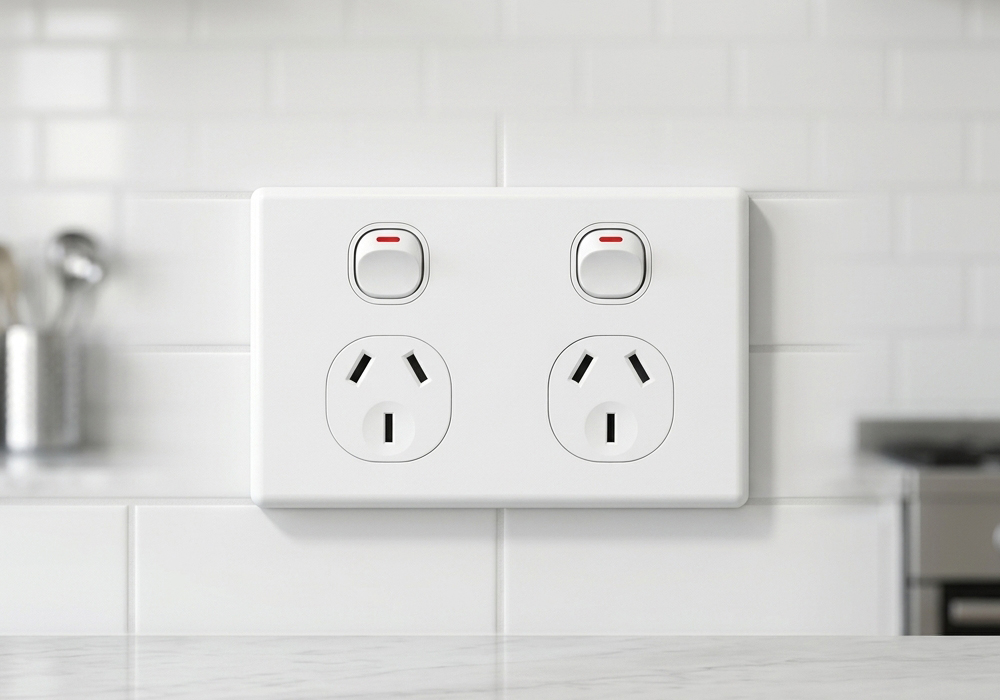
Post time: Apr-28-2026