

Executive Summary
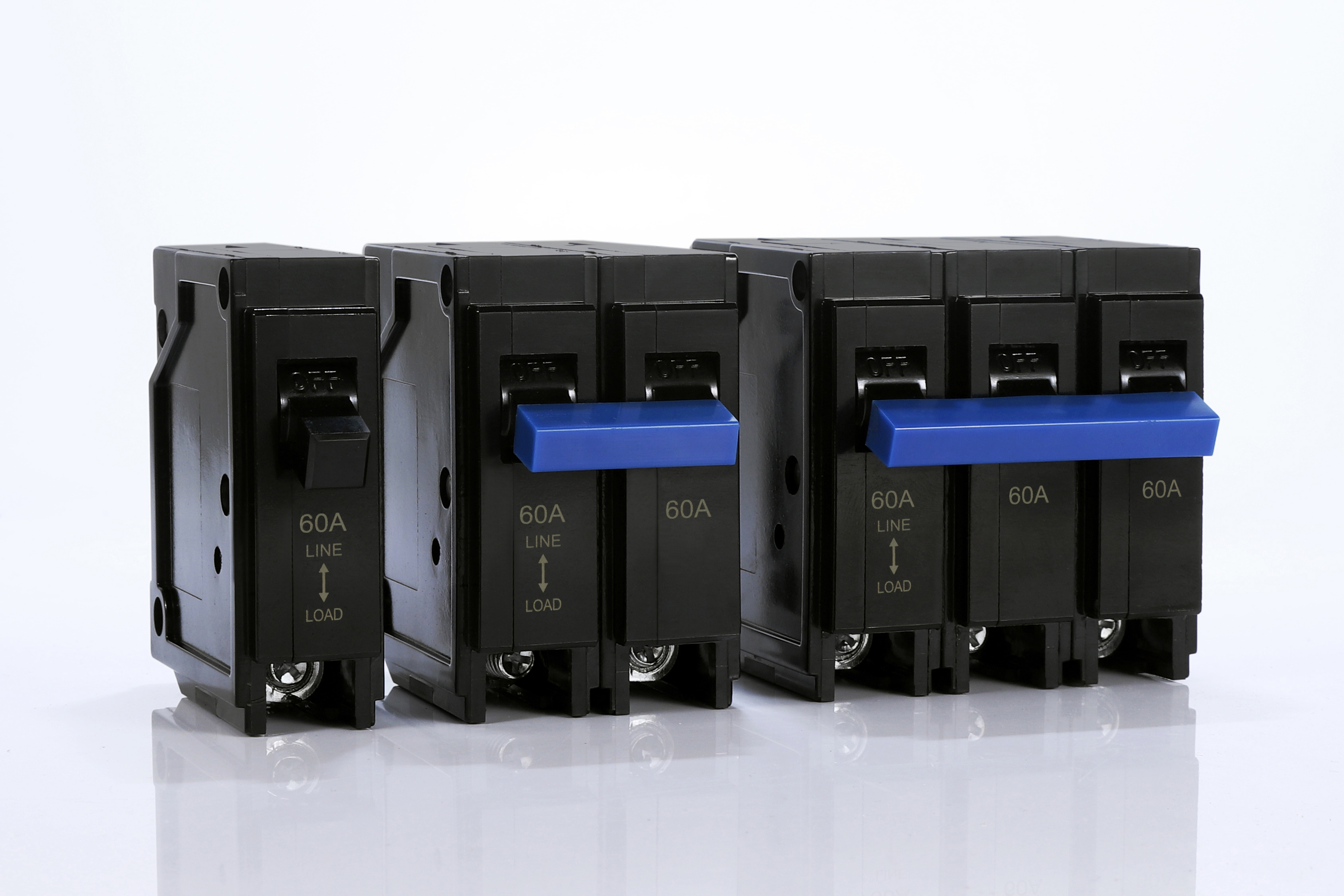
In the intricate ecosystem of electrical distribution, the circuit breaker stands as the fundamental guardian—the silent sentinel that safeguards lives, property, and critical infrastructure from the devastating consequences of electrical faults. While its function is universal, a distinct evolution in design and application has emerged: the Black Circuit Breaker. More than a mere color variation, a black-housed circuit breaker represents a confluence of advanced engineering, specialized materials, and targeted application intelligence. It signifies a product category engineered for enhanced durability, superior performance in demanding environments, and often, integration within sophisticated modular systems like high-amperage distribution panels. This comprehensive 3000-word article delves into the technology, specifications, standards, and pivotal applications that define modern black circuit breakers, positioning them not just as components, but as critical assets in reliable power management.
1. Beyond Aesthetics: The Functional Significance of the Black Housing
1.1 Material Science and Environmental Resistance
The distinctive black color of these breakers is typically achieved through the use of advanced engineering polymers or coatings that offer intrinsic performance benefits.
- High-Grade Thermoplastics: Many premium black breakers utilize materials like Polyamide (PA, e.g., Nylon 6/6) or Polycarbonate (PC) blends, often with a UL94 V-0 flammability rating. These polymers are selected for their exceptional:
- Mechanical Strength and Impact Resistance: Withstands physical knocks and vibrations common in industrial settings.
- UV Stability: The black pigmentation, often carbon-black based, provides superior resistance to ultraviolet degradation from sunlight, preventing brittleness and color fade. This is crucial for breakers used in outdoor enclosures, renewable energy sites, or telecommunications cabinets.
- Chemical and Corrosion Resistance: Offers better resilience against oils, mild acids, alkalis, and atmospheric corrosion compared to standard gray or white housings.
- Enhanced Coatings on Metal Housings: For larger, molded-case circuit breakers (MCCBs) in the 60A-800A+ range, the black finish is frequently a high-quality, powder-coated epoxy. This coating provides excellent dielectric strength, corrosion resistance, and a durable barrier against moisture and contaminants.
1.2 Thermal Management
Black surfaces are theoretically more efficient at radiating heat. In a well-designed breaker, the black housing can contribute marginally to dissipating the ohmic heat (I²R losses) generated by the internal conductors and contacts under load. This aids in maintaining lower operating temperatures, which directly enhances the longevity of internal components and the stability of the breaker’s trip calibration.
1.3 Professional and Aesthetic Integration
In modern electrical cabinets, data centers, and modular distribution systems (such as those built around 60A blocks), the use of black breakers denotes a cohesive, high-end installation. It allows for clear visual contrast against lighter-colored backplanes and wiring, improving the legibility of labels and system layout. This professional appearance is often associated with critical, managed infrastructure.
2. Core Technology: How a Black Circuit Breaker Works
The internal mechanisms are where the true sophistication lies, applicable to both standard and specialized black-housed models. We explore the trip unit technologies.
2.1 Types of Trip Mechanisms
- Thermal-Magnetic (The Standard): The most common type, combining two actions.
- Thermal Trip (Overload Protection): Uses a bimetallic strip that heats and bends with sustained overcurrent (e.g., 135% of rating), providing an inverse-time delay. This protects conductors from damage due to overload.
- Magnetic Trip (Short-Circuit Protection): Uses a solenoid that creates an immediate magnetic field to trip the mechanism instantaneously under high-fault currents (e.g., 1000%+ of rating).
- Electronic/Solid-State Trip (Advanced): Found in high-performance black MCCBs. Uses current transformers (CTs) to monitor current digitally. A microprocessor analyzes the waveform against user-adjustable settings for overload (Ir), short-circuit (Isd, Ii), and even ground-fault (Ig). This offers unparalleled precision, selectivity, and programmability.
- Hydraulic-Magnetic: Often used in sensitive applications. A hermetically sealed fluid delays the motion of a magnetic plunger. The delay time is precisely controlled by the viscosity of the fluid and the magnetic force, offering very consistent trip times unaffected by ambient temperature.
2.2 Key Internal Components
- Contacts: Made from silver-alloy composites (e.g., silver-tin oxide, silver-cadmium oxide) for high conductivity, arc resistance, and weld resistance.
- Arc Chute/Quencher: A stack of deionizing plates that splits, cools, and extinguishes the electric arc formed when contacts separate under load.
- Operating Mechanism: A robust, spring-charged, quick-make/quick-break mechanism that ensures rapid opening and closing, independent of the speed of the operator’s handle.
- Terminations: High-pressure clamps, often with anti-corrosion plating, designed for solid or stranded copper/aluminum conductors.
3. Technical Specifications and Performance Standards
Black circuit breakers must meet or exceed global standards, which define their performance envelope.
- Rated Current (In): The maximum current the breaker can carry continuously without tripping. Ranges from fractions of an amp (for control circuits) to several thousand amps.
- Rated Voltage (Ue): The maximum system voltage for which the breaker is designed (e.g., 240V AC, 480V AC, 600V AC, 250V DC).
- Breaking Capacity/Icu (Ultimate): The maximum fault current (kA) the breaker can safely interrupt once. Ics (Service) is the current it can interrupt multiple times and remain operational.
- Trip Curves: Define the response time to an overcurrent.
- B Curve: (3-5 In) For general residential/light commercial use.
- C Curve: (5-10 In) For moderate inrush loads (motors, transformers).
- D Curve: (10-20 In) For high inrush loads (large motors, welding equipment, X-ray machines).
- K Curve: (8-12 In) For transformer and motor protection.
- Z Curve: (2-3 In) For highly sensitive semiconductor protection.
Key Standards:
- IEC/EN 60898-1: Defines circuit-breakers for household and similar installations.
- IEC/EN 60947-2: The critical standard for low-voltage circuit-breakers for industrial and commercial use (MCCBs, ACBs). This governs performance, testing, and markings.
- UL 489: The primary standard for Molded-Case Circuit Breakers in North America.
4. Specialized Applications of Black Circuit Breakers
4.1 Industrial Power Distribution
This is the primary domain. Black MCCBs protect feeders, motors, and branch circuits in factories, refineries, and manufacturing plants. Their robust housing resists dust, humidity, and chemical exposure. Electronic trip units allow for coordination studies, ensuring only the breaker closest to a fault trips, minimizing downtime.
4.2 Modular High-Current Distribution Systems
As referenced in the context of systems built with 60A LINE/LOAD modules, black breakers are the logical protective device at each node. A 60A-rated black MCCB would be installed on the output of a LOAD module to protect the downstream cabling and final equipment. Its durability matches the robust nature of the modular distribution hardware.
4.3 Data Centers and Critical IT Infrastructure
In server rooms and UPS distribution, black breakers are favored for their reliability. DC-rated black breakers are essential for protecting 48V DC battery strings and telecom equipment. Their stable performance is non-negotiable for uptime.
4.4 Renewable Energy Systems
Solar photovoltaic (PV) arrays and battery storage present unique challenges: DC arcing, variable loads, and outdoor exposure. DC-rated black circuit breakers, with specific arc-extinguishing capabilities for direct current, are critical in combiner boxes and inverters. Their UV-resistant housing is a prerequisite.
4.5 Marine and Offshore Applications
Breakers for marine use (often certified to standards like Lloyd’s Register or DNV) frequently use black, salt-spray-resistant housings to combat the corrosive maritime environment on ships and oil platforms.
4.6 Military and Aerospace
In these ultra-demanding fields, black breakers meet stringent MIL-specifications for shock, vibration, and extreme temperature cycling (-55°C to +125°C). Every material and component is rigorously validated.
5. Selection Criteria: Choosing the Right Black Circuit Breaker
Selecting a breaker is a systematic process:
- Voltage Rating (AC/DC): Must equal or exceed system voltage.
- Continuous Current Rating: Must be based on the calculated load current, applying appropriate derating factors for ambient temperature.
- Short-Circuit Duty: The breaker’s Icu/Ics must be higher than the available fault current at its installation point, as calculated by an engineer.
- Trip Curve: Must be selected based on the inrush characteristics of the protected load to avoid nuisance tripping.
- Application Specifics: DC rating for solar, high magnetic withstand for motor starts, special approvals for marine use, etc.
- Physical Size and Connection Type: Must fit the designated panelboard or enclosure and accept the required conductor size and type.
6. Installation, Maintenance, and Safety
- Installation: Must be performed by qualified personnel following national and local electrical codes (NEC, IEC 60364). Proper torque on connections is critical to prevent hot spots.
- Maintenance: While modern breakers are largely maintenance-free, periodic inspection for signs of overheating, corrosion, or mechanical damage is recommended. For critical systems, exercising the mechanism (turning off and on) annually can keep it functional. Always de-energize and verify absence of voltage before working on any equipment.
- Safety Features: Modern black MCCBs include features like:
- Trip Indication: A visual flag showing the breaker has tripped on a fault.
- Padlockability: Ability to lock the breaker in the OFF position for safe maintenance (LOTO – Lock Out, Tag Out).
- Auxiliary Contacts: Signals for remote monitoring of breaker status (ON/OFF/TRIPPED).
7. The Future: Smart Black Circuit Breakers
The next frontier is the integration of IoT and connectivity. Smart black breakers incorporate:
- Embedded Sensors: For real-time monitoring of current, voltage, power, energy, temperature, and contact wear.
- Communication Modules: Using protocols like Modbus, BACnet, or Ethernet/IP to feed data into Building Management Systems (BMS) or cloud platforms.
- Predictive Analytics: Algorithms analyze data to predict potential failures, recommend maintenance, and optimize energy usage.
- Remote Operation: The ability to open or close the breaker via a secure digital command.
This transforms the black circuit breaker from a passive protective device into an active, intelligent node in a smart grid or microgrid.
Conclusion
The black circuit breaker is a paradigm of focused engineering. Its distinctive appearance is a direct reflection of its enhanced material properties, environmental resilience, and its typical role in serious electrical applications. From protecting a single critical motor in an industrial plant to forming the protective backbone of a modular 60A distribution system or safeguarding a solar farm’s DC side, it is a component built for duty and longevity.
Understanding its technical nuances—from trip curves and breaking capacities to the significance of its housing material—is essential for engineers, contractors, and facility managers tasked with designing and maintaining reliable electrical systems. In an increasingly electrified and digitally dependent world, the reliability of the humble circuit breaker is foundational. The black circuit breaker, in its various advanced forms, represents the commitment to that reliability, ensuring that power, the lifeblood of modern society, flows safely, continuously, and under intelligent control. It is not merely a switch that trips; it is a meticulously engineered safeguard, a decision-point in an electrical network, and a critical investment in operational safety and continuity.
Post time: Feb-05-2026