

You may notice several common symptoms when your AC contactor begins to fail. These issues often include the system not turning on, strange noises from the outdoor unit, or visible damage to the contactor itself. The table below highlights what you should watch for:
| Symptoms | Description |
| AC Won’t Turn On | The unit remains off even with the thermostat set, pointing to a contactor problem. |
| Unusual Noises | Humming or buzzing sounds signal trouble maintaining a stable electrical connection. |
| Visible Damage | Pitting, burning, or corrosion means poor conductivity and the need for replacement. |
| Electrical Issues | Signs of arcing or lack of continuity confirm contactor failure. |
You can safely check these clues yourself, but always prioritize safety. If you find severe damage or feel unsure, contact a professional immediately.
Key Takeaways
Watch for signs of a faulty AC contactor, such as the unit not starting, unusual noises, or visible damage. Early detection can prevent costly repairs.
Always prioritize safety when inspecting your AC contactor. Turn off power and follow proper procedures to avoid electrical hazards.
Regularly clean the contact points to maintain efficient electrical flow. This simple step can extend the life of your AC contactor.
Choose high-quality contactors like YUANKY for reliability and safety. Certified products ensure better performance and longevity.
If unsure about repairs, call a professional. Expert help guarantees safe and effective solutions for your AC system.
What is an AC contactor?

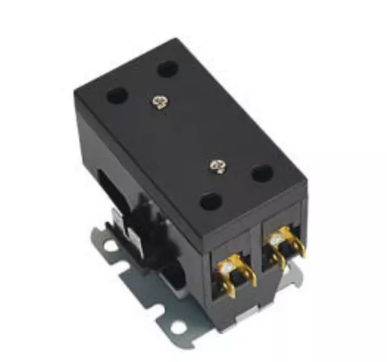
When you want reliable performance from your air conditioning system, you need quality components. YUANKY stands out as a trusted name in electrical solutions, offering AC contactors that meet strict international standards. The company’s commitment to quality and innovation ensures that you receive products designed for safety, efficiency, and long-term reliability.
Role in your AC system
You depend on your AC contactor every time you adjust your thermostat. This device acts as the main electrical switch in your HVAC system. It manages the flow of electricity to critical components, such as the compressor and blower motor. When your thermostat signals a need for cooling, the AC contactor closes its circuit, allowing high-voltage power to reach these parts.
Controls power to the compressor and blower motor
Switches high-power components on and off based on thermostat signals
Provides separation between control circuits and high-voltage sides
Reduces the risk of electrical shock during maintenance
Protects low-voltage wiring from high-voltage faults
You benefit from this design because it ensures safe operation and protects your system from electrical overloads. Energy-efficient contactors also help reduce energy consumption and extend the lifespan of your equipment.
Tip: Always choose contactors that comply with industry standards for safety and performance. YUANKY products carry certifications such as UL, CE, and CCC, which guarantee their reliability.
Location in the unit
You can usually find the AC contactor inside the outdoor condenser unit of your air conditioner. It sits behind the service panel, mounted near the compressor and fan motor wiring. This location allows the contactor to efficiently manage the flow of electricity between the control board and the high-voltage components.
| Environment Condition | Lifespan Range |
| Mild climate (3 months/year) | Up to 20 years |
| Scorching desert (8+ months/year) | 8-12 years |
| Low-quality contactors | As little as 5 years |
If you use a high-quality, certified contactor from a reputable brand like YUANKY, you can expect a longer service life and fewer unexpected breakdowns.
Common symptoms of a faulty contactor
When you suspect a faulty contactor in your air conditioning system, you need to recognize the warning signs of failure early. YUANKY’s expertise in electrical solutions helps you spot these issues before they lead to major breakdowns. Below, you will find the most frequent symptoms that indicate a malfunctioning contactor.
System not turning on
You may notice your AC unit fails to start even when you set the thermostat to cool. This is one of the most obvious warning signs of failure. The system remains silent, and you do not hear the usual click or hum from the outdoor unit. A faulty contactor often interrupts the flow of electricity, preventing the compressor and fan from receiving power. If you experience this issue, check for other clues such as visible damage or burnt marks on the contactor.
Tip: If your AC does not respond at all, always inspect the contactor for burnt or corroded contacts before considering other components.
System runs nonstop
A malfunctioning contactor can cause your air conditioner to run continuously without shutting off. You might notice that the system does not cycle off, even when the room reaches the desired temperature. This happens because the contactor becomes stuck in the closed position, allowing constant power to flow to the compressor and fan. Overheating becomes a serious risk in this situation, as the system cannot rest and cool down. Continuous operation can also lead to increased energy bills and premature equipment failure.
Warning signs of failure include:
AC runs without stopping
Room feels colder than the thermostat setting
Outdoor unit remains active for extended periods
Humming or buzzing sounds
You should listen for unusual noises coming from your outdoor unit. Humming, buzzing, or chattering sounds often point to a faulty contactor. These noises suggest that the electrical contacts are struggling to open or close properly. Overheating may occur if the contacts do not make a clean connection, which can damage other components in your system.
| Noise Type | Implication |
| Chatter | Indicates a problem that should be investigated |
| Humming | Suggests issues with control voltage or current |
| Buzzing | May indicate debris on the pole faces of the yoke and armature |
If you hear these sounds, you should act quickly. Prolonged exposure to electrical noise can signal deeper electrical problems and increase the risk of system failure.
Burnt or corroded contacts
Visual inspection remains one of the best ways to identify a faulty contactor. You should look for warning signs of failure such as burnt marks, pitting, or corrosion on the contact points. Damaged contacts cannot conduct electricity efficiently, which leads to increased resistance and overheating. Electrical arcing often causes burnt contacts, and this damage means you need to replace the contactor immediately.
Common visual warning signs of failure:
Burnt marks or pits on contact points
Corrosion or excessive charring
Signs of wear such as discoloration or melted plastic
Environmental factors like high humidity, temperature, and dust can accelerate the deterioration of your AC contactor. Overheating and contamination from debris or moisture can shorten the lifespan of the component. You should always use certified products like those from YUANKY to ensure reliability and safety.
Note: Professional HVAC technicians use specialized tools and knowledge to diagnose these issues. You can spot many symptoms through observation, but always consult an expert if you feel unsure.
Most frequent symptoms checklist
AC unit fails to start
System runs nonstop
Inconsistent cooling performance
Unusual noises such as humming or buzzing
Visible damage like burnt or corroded contacts
By staying alert to these warning signs of failure, you can prevent costly repairs and extend the life of your air conditioning system.
Check AC contactor for issues
You can maintain the reliability of your HVAC system by checking the AC contactor regularly. YUANKY-certified products offer superior safety and reliability, meeting international standards for surge protection and equipment longevity. The following steps will help you inspect your contactor and keep your HVAC running smoothly.
Safety—power off first
You must always prioritize safety before working on any electrical component in HVAC systems. Follow these steps to ensure a safe inspection:
Set your thermostat to OFF. This prevents the system from activating while you work.
Turn off the breaker labeled “AC” or similar in your main electrical panel.
Use the outdoor disconnect next to your condenser unit to isolate it from the power grid.
Try to turn on the system at the thermostat after cutting power. If the unit does not start, you can proceed safely.
Tip: Never skip these steps. Even a brief electrical surge can cause injury or damage sensitive HVAC components.
Visual inspection steps
A careful visual inspection helps you spot early signs of failure in your HVAC systems. Use this checklist to examine your contactor:
Remove the service panel from your outdoor unit.
Check the contacts for pitting, burning, or excessive wear.
Look for corrosion, charring, or discoloration on the contact points.
Inspect the plastic housing for cracks or melted areas.
Examine wiring connections for looseness or fraying.
If you notice any of these issues, you should consider replacing the contactor with a YUANKY-certified model. High-quality contactors reduce the risk of frequent cycling and extend the life of your HVAC system.
| Frequency | Actions |
| Monthly | Visual inspection, dust removal, test coil noise, verify terminal torque |
| Quarterly | Measure contact/coil resistance, simulate overload trip |
| Annually | Replace worn contacts, evaluate heat stress zones, verify sealing |
Listen for unusual sounds
Sound can reveal hidden problems in your HVAC systems. When you restore power, listen carefully as the system starts:
Humming, buzzing, or chattering noises often indicate contactor issues.
Buzzing or humming usually means the coil inside is failing or not receiving enough power.
Chattering sounds occur when the contactor tries to close but cannot stay closed, causing rapid opening and shutting.
Electrical arcing or wear can cause buzzing or clicking noises.
A properly functioning AC contactor operates quietly. If you hear persistent noises, you may have a weak magnetic coil or loose connections. These symptoms often lead to frequent cycling, which stresses your HVAC system and increases the risk of breakdowns.
Note: Unusual sounds signal electrical malfunctions. Address them quickly to prevent further damage.
Test with a multimeter
You can confirm contactor problems using basic testing methods. A digital multimeter helps you check for continuity and voltage:
Set your multimeter to the continuity or resistance setting.
With the power still off, place the probes on the contactor terminals.
A good contactor shows continuity when closed and no continuity when open.
If you detect no continuity or erratic readings, the contactor is faulty.
Restore power and measure voltage across the coil terminals. Low or no voltage may indicate a control circuit issue.
Testing with a multimeter provides accurate results and helps you decide if replacement is necessary. YUANKY contactors offer reliable performance and protect your HVAC system from power fluctuations.
| Feature | YUANKY Products | Other Brands (General) |
| Safety Standards | Meet international standards for surge protection | Varies by brand |
| Reliability | Designed for sensitive applications | May not be specifically designed |
| Equipment Protection | Protects against power fluctuations and surges | May not offer comprehensive protection |
Pro Tip: Schedule regular inspections and testing to prevent frequent cycling and unexpected failures.
Quick fixes for AC contactors
When you encounter issues with your AC contactors, you can often resolve them with a few straightforward actions. Using high-quality components, such as YUANKY AC contactors, ensures your system remains safe and reliable. Here are some quick fixes you can try before calling a professional.
Reset the system
You should always start with a system reset. Turn off the power at the breaker and wait a few minutes. This action allows the system to discharge any residual electricity. After waiting, restore power and observe if the AC contactors engage properly. Sometimes, a simple reset resolves minor electrical glitches and restores normal operation.
Clean contacts
Dirt and debris can cause poor connections in your AC contactors. Use a soft brush or electrical contact cleaner to remove buildup from the contact points. Make sure the power is off before you begin cleaning. Clean contacts help maintain efficient electrical flow and prevent overheating. Regular cleaning extends the life of your AC contactors and reduces the risk of frequent cycling.
Replace faulty contactor
If cleaning does not solve the problem, you may need to replace the faulty AC contactor. Follow these steps for a safe and effective replacement:
Turn off all power to the HVAC system.
Wear electrical gloves and safety glasses.
Locate the AC contactors in the control panel.
Take pictures or notes of the wiring connections.
Unscrew and remove the old AC contactor.
Move each wire to the same position on the new unit.
Tighten all connectors and secure the new AC contactor.
Double-check for damaged wires.
Restore power and test the system with a multimeter.
Confirm the system operates correctly.
Choosing YUANKY AC contactors for timely replacement ensures long-term reliability and safety.
When to call a pro
Some situations require expert attention. You should contact a professional if:
The AC unit blows warm air or makes persistent unusual noises.
You notice tripping breakers or a burnt smell.
Repairs involve complex wiring or ceiling-mounted units.
Your skills do not match the repair complexity.
Professional help guarantees safe repairs and proper installation. Timely replacement of AC contactors by experts prevents further damage and ensures optimal performance.
Tip: Always prioritize safety. If you feel unsure, choose professional service for your AC contactors.
You can spot a faulty AC contactor by watching for these key signs:
AC unit fails to start or cool properly
Unusual noises or visible damage
Multimeter shows no continuity
Ignoring these clues can lead to serious risks:
| Risk Type | Description |
| Electrical Resistance | Burnt contacts can cause extreme heat, over 400°F. |
| System Failure | Most compressors fail within 30 days if contacts are charred. |
| Safety Risks | Burnt contacts cause many HVAC electrical fires. |
Choose trusted brands like YUANKY for safety. Try simple checks, but call a professional for replacements to avoid costly repairs.
FAQ
What causes contactors to fail in air conditioning systems?
You often see contactors experience failure due to dirt, debris, or electrical surges. Overheating, corrosion, and worn contacts also contribute to failure. Regular inspection helps you prevent unexpected failure and keeps your system running smoothly.
How do you know if contactors are the reason for AC failure?
You notice failure when your AC does not start, runs nonstop, or makes unusual noises. Visual signs like burnt or corroded contactors also point to failure. Testing with a multimeter confirms if contactors cause the failure.
Can you replace contactors yourself, or should you call a professional?
You can replace contactors if you feel comfortable with electrical work. Always turn off power before starting. If you feel unsure or see signs of severe failure, you should call a professional to avoid further failure or safety risks.
How often should you inspect contactors to prevent failure?
You should inspect contactors every few months. Look for signs of failure like pitting, corrosion, or overheating. Early detection of failure helps you avoid costly repairs and keeps your system efficient.
Are all contactors the same, or do you need specific types for your AC?
You need to choose contactors that match your AC’s voltage and amperage requirements. Using the wrong contactors can lead to failure or damage. Always check your system specifications before purchasing new contactors.
Tip: Regular maintenance of contactors reduces the risk of failure and extends the life of your air conditioning system.
Post time: Dec-11-2025